Engineering · 03 Nov 2026
Sometimes the right build is no build
Before we price a build, we check whether it should exist at all. The four cases where the honest answer is not to build, and what to do instead.
Emin C. Homalioglu · 4 min read
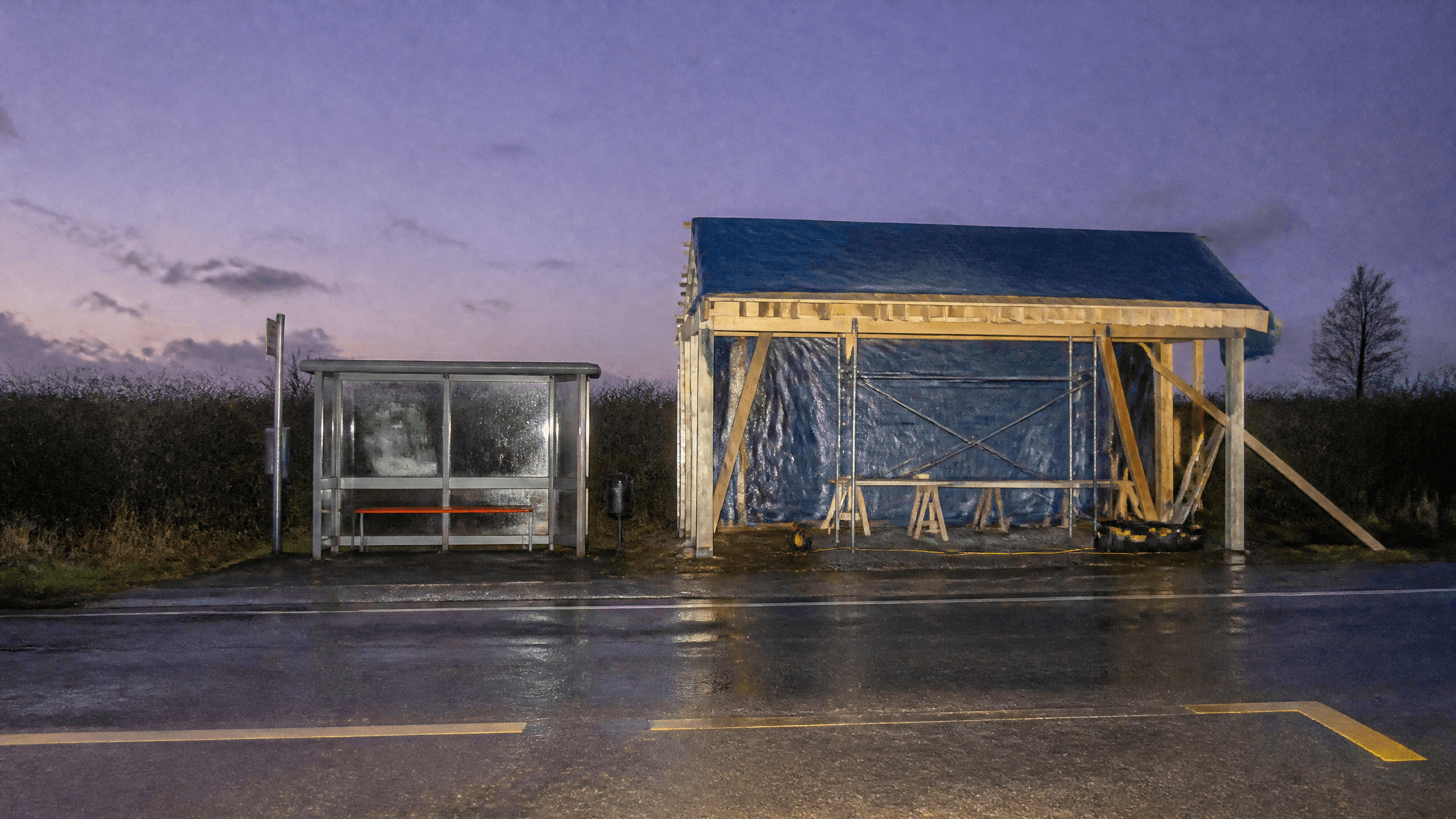
Before we put a price on a build, we work out whether it should be built at all. Often it should not, and we say so in the first conversation. Four cases account for most of those answers.
The short version
Before you commission custom software, ask your provider:
- Which existing product did you compare this against, and what exactly can it not do for us?
- What will it cost per year to keep this running, updated and secure, once it is finished?
- Is this solving a problem, or a disagreement we have not settled yet?
A provider who answers the first question with "nothing quite fits" and cannot name the gap has not looked.
It exists, and yours will not be different
Billing, login, CRM, help desk, feature flags, status pages, product analytics. These are solved problems. A commodity system you rebuild is a commodity system you now maintain, secure and staff for as long as it runs, in exchange for nothing a customer will notice.
The test is simple. If a competitor could take your version and use it unchanged, it is not what sets you apart. Build the fifteen to twenty percent that encodes how your business actually works, and connect the rest.
It is a process problem wearing a software costume
A typical enquiry looks like this: a company asks for a reporting dashboard. Three departments need it urgently, and each sends us its own definition of an "active customer". Sales counts anyone with an open quote, support anyone with a ticket in the last ninety days, finance anyone who has paid in the last twelve months. Built as requested, the dashboard would have shown three numbers for the same word, and the argument would have continued in higher resolution, now with a hosting bill.
We propose a half-day workshop instead of a quote. The usual outcome is one definition with a name next to it, and the report that follows is often a saved query in a tool they already have.
Software makes a settled process faster. It cannot settle an unsettled one. When a request is really a disagreement, the fix is a decision with someone accountable for it.
The return does not survive the maintenance
An internal tool for CHF 40,000 that saves two hours a week looks like it pays for itself in a year. Add six to ten thousand a year to keep it patched, updated and hosted, plus the attention it takes every time something around it changes, and the real payback moves closer to three years. The process it automates will probably change inside that window, and then you are maintaining a tool for a workflow that no longer exists.
Small, frequent time savings rarely justify a custom build once the full cost of ownership is on the table. A scheduled script, or an off-the-shelf tool configured properly, usually does the job.
The timing is wrong
Building the scalable, polished version before you have the users. The partly manual first version, a spreadsheet, a scheduled job and someone doing the last step by hand, teaches you what the real product needs to be. The polished version built first only teaches you what you assumed, at ten times the cost and with every franc spent arguing against changing it.
What we recommend instead
- For the commodity case: the off-the-shelf product, plus a small integration that connects it to your data. Often a few days of work instead of a few months.
- For the process case: a decision workshop, then the cheapest tool that records the decision.
- For the maintenance case: the full five-year cost written down next to the five-year saving, before anyone writes code.
- For the timing case: the manual version first, with a date on which we look at it again and decide what to build.
Why a studio says this out loud
Because the alternative is a paid project that ends with a tool nobody wanted, and that is a worse outcome for us than a smaller honest project or a short answer that lets you solve it yourself. A client who hears "do not build this" from us comes back when something should be built.
The most expensive software is the kind that gets built, works exactly as specified, and solves a problem the company never had.
03 Nov 2026 · Emin C. Homalioglu